TensorNova TensorNova

How to Choose the Best GPU Server Supplier for Your Needs?

Time:2026-06-30 Author:Liam
0%

Choosing the right GPU server supplier is crucial for your business’s success. The global GPU server market is projected to reach $6.6 billion by 2026, according to Allied Market Research. With demand surging in AI, deep learning, and data analytics, selecting a reliable supplier is more important than ever.

Various GPU server suppliers offer different features and capabilities. Some focus on high-performance computing, while others may provide cost-effective solutions. Understanding your specific needs is essential. A supplier should not only meet technical requirements but also offer scalable solutions. Researching industry benchmarks and comparing suppliers is key to making an informed decision.

Potential pitfalls can arise during the selection process. Some suppliers may under deliver on performance or support. Ensuring your GPU server supplier has a proven track record is vital. Consider customer reviews and case studies to assess reliability. Balancing cost with performance is necessary, but don't compromise on quality. Your choice can impact your organization’s future growth in the tech landscape.
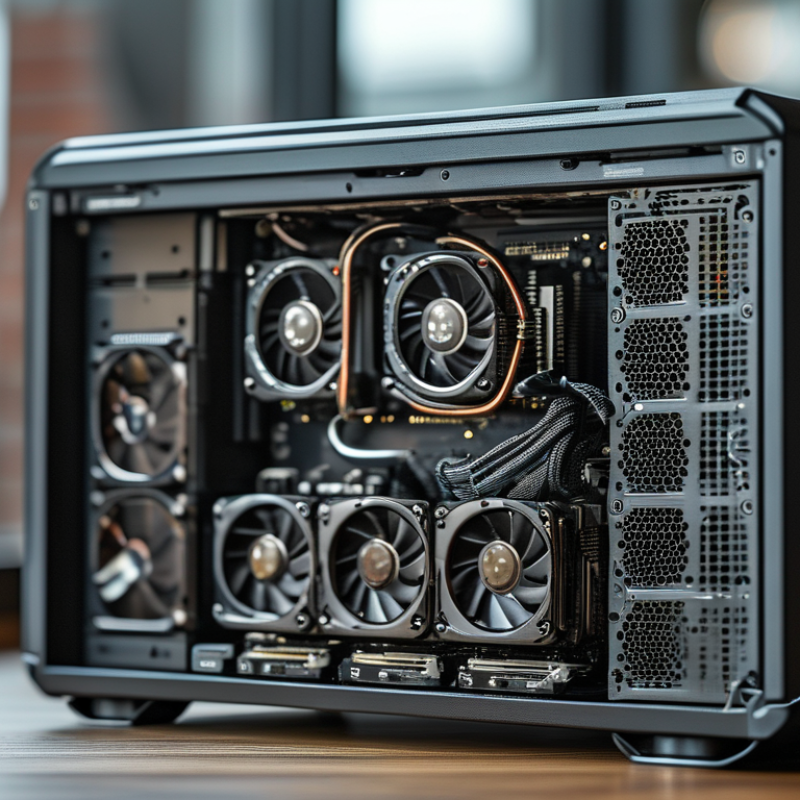
How to Choose the Best GPU Server Supplier for Your Needs?

Understand Your Specific GPU Server Requirements

When selecting a GPU server supplier, understanding your specific requirements is critical. The GPU industry has evolved, with GPUs now being essential for AI, deep learning, and data analytics. According to a report by Mordor Intelligence, the GPU market is expected to grow at a CAGR of 33.6% from 2021 to 2026. This growth underscores the need for businesses to accurately assess their computational needs.

Firstly, determine the applications you will be running. Will you focus on machine learning or perhaps rendering graphics? Each application demands different GPU specifications. For instance, deep learning models often require GPUs with higher memory bandwidth. In contrast, for tasks like video encoding, a different configuration might suffice. It’s important to balance performance and cost. While high-end options are appealing, they may not always fit your budget.

Moreover, consider scalability. Your GPU server needs may evolve, especially as data and processing requirements increase. An adaptable architecture allows for seamless upgrades. Market research from Gartner shows that flexibility in computing resources leads to greater efficiency. Companies must remain mindful that choosing a provider that can accommodate growth will save time and money. Without proper foresight, businesses risk investing in a one-size-fits-all solution that may soon become obsolete.

Evaluate Potential Suppliers' Experience and Reputation

When selecting a GPU server supplier, evaluating their experience and reputation is crucial. A report from the International Data Corporation (IDC) shows that 45% of enterprises prioritize vendor reliability and experience. This highlights the importance of a supplier's track record in the industry. Look for companies with years of experience in providing GPU solutions. A reputable supplier often showcases case studies or customer testimonials, demonstrating their capabilities.

Consider the supplier's partnerships and certifications. Industry leaders often collaborate with major technology providers. These partnerships can reflect their expertise and commitment to quality. A lack of such collaborations may raise concerns. Also, be cautious of suppliers that promise unrealistic performance or overly aggressive pricing. Such tactics can indicate inexperience or lack of genuine expertise.

Moreover, don’t overlook online reviews and community feedback. While positive reviews are advantageous, pay attention to any recurring negative comments. Engaging in forums or industry discussions may provide deeper insights into a supplier’s reputation. Research suggests that 70% of customers rely on peer opinions before making decisions. These insights can guide your choice effectively.

Compare Pricing Models and Costs of GPU Server Solutions

When selecting a GPU server supplier, understanding pricing models is essential. GPU servers can be rented or purchased, with costs varying significantly. A recent industry report indicates that rental pricing can range from $0.50 to $3.00 per hour, depending on the server's specifications. Purchasing a GPU server outright may cost between $3,000 and $10,000.

Consider the workload requirements when comparing costs. A high-performance setup may yield a lower cost per task, especially for machine learning or data analysis. However, initial investments might seem steep. It’s crucial to evaluate the return on investment to ensure long-term value. The cloud vs. on-premise debate also affects costs. Cloud solutions may have lower upfront costs but can lead to higher long-term expenses.

Also, factor in hidden costs. Companies often overlook maintenance, power consumption, and cooling systems. According to some estimates, ongoing operational costs can add up to 30% of the initial hardware investment per year. Therefore, comprehensive budgeting must include these aspects.

Balancing immediate and future needs is challenging yet vital for choosing the right GPU server solution. Understanding these financial intricacies can navigate the complex landscape of GPU server options.

Assess Technical Support and Customer Service Options

When selecting a GPU server supplier, the quality of technical support and customer service is crucial. Having reliable support can make a significant difference when issues arise. You need a partner who is responsive. Delays in addressing problems can lead to lost time and revenue.

Evaluate the availability of support options. Many suppliers offer 24/7 assistance, while others may have limited hours. Check if they provide multiple contact methods, like phone, email, or live chat. It can be frustrating if you are left waiting when urgent issues pop up. Make sure you feel comfortable with their support system.

Another aspect to consider is their expertise. Technical support should be knowledgeable about the products. Ask about the qualifications of the support team. If they offer training resources, it shows dedication to helping customers succeed. This investment in service reflects the supplier's commitment to building long-term relationships. Aim for a partnership that prioritizes effective communication and problem resolution.

Check for Scalability and Future-Proofing of Offered Solutions

When selecting a GPU server supplier, scalability should be a primary consideration. Cloud-based solutions might offer flexible resources on demand, but it's essential to evaluate their long-term capabilities. The right supplier will allow you to easily upgrade or expand your system as your needs grow. This adaptability helps mitigate future costs, making it a smart choice for your investment.

Consider how the supplier addresses future-proofing. Technology evolves rapidly, and a server that meets your needs today may be inadequate tomorrow. Look for suppliers that not only provide high-performance GPUs but also give access to the latest advancements in AI and machine learning. Ask about their strategies for regular updates and improvements.

Additionally, a reliable supplier will provide clear information on potential upgrades. It's important to engage in conversations about your anticipated growth. Trusting their expertise can foster a partnership that aligns with your goals. Remain vigilant about changing trends. Reflection on their past performance can reveal their commitment to supporting your journey.

How to Choose the Best GPU Server Supplier for Your Needs? - Check for Scalability and Future-Proofing of Offered Solutions

Supplier Type Scalability Options Future-Proofing Features Average Price (USD) Customer Support
Cloud-Based High (on-demand scaling) AI Compatibility, Regular Updates $0.10 per hour 24/7 Live Chat
Dedicated Servers Moderate (Limited to hardware) Upgrade Options, Custom Builds $120 per month Business Hours Support
Colocation Limited (Based on space) Flexible Hardware Changes $100 per rack per month Scheduled Maintenance
Hybrid Solutions Very High (Combination of both) Auto-scaling, Multi-cloud Options Varies Comprehensive Support

FAQS

: What should I consider when selecting a GPU server?

: Understand your specific requirements. Identify applications like AI, deep learning, or graphics rendering.

How important is scalability in a GPU server?

Scalability is crucial. Your needs may grow as data and processes evolve. An adaptable architecture allows upgrades.

What role does a supplier's experience play?

Experience matters. Look for suppliers with a strong industry track record and customer testimonials to assess reliability.

How can I verify a supplier’s reputation?

Check online reviews and community feedback. Pay attention to negative comments for a balanced view.

Should I worry about unrealistic performance promises?

Yes, be cautious. Overly aggressive claims may indicate a lack of expertise or experience from the supplier.

How can I ensure future-proofing of the GPU server?

Ask suppliers about their upgrade strategies. Ensure they plan for technology advancements and regular updates.

What specific applications influence GPU choice?

Tasks like video encoding require different configurations than deep learning. Assess both performance and cost carefully.

How can partnerships impact a supplier's reliability?

Good partnerships indicate expertise. Suppliers working with industry leaders usually provide better quality solutions.

What if my chosen solution becomes inadequate?

Consider the supplier's approach to updates. Regular improvement strategies help maintain relevance in a fast-evolving field.

How can I prepare for future technology changes?

Stay informed about trends. Evaluate your supplier's history to gauge their commitment to supporting your evolving needs.

Conclusion

When choosing the best GPU server supplier for your needs, it's essential to start by understanding your specific requirements. This includes assessing the type of workloads you intend to run and the performance metrics that are crucial for your applications. Once you have a clear idea of your needs, you can evaluate potential suppliers based on their experience and reputation in the industry.

Additionally, it's important to compare the pricing models and overall costs of the offered GPU server solutions to ensure they fit within your budget. Customer support and technical assistance are also key factors; reliable service can greatly enhance your experience. Finally, consider the scalability of the solutions provided, as the ability to adapt and grow with your needs is vital for future-proofing your investment in a GPU server supplier.

Liam

Liam

Liam is a dedicated marketing professional with a profound expertise in the industry, where he excels at highlighting the unique advantages of our core products. With a keen understanding of market trends and consumer needs, Liam frequently updates our company’s professional blog, providing......